

Laatste afleveringen
Bekijk hieronder het overzicht van de laatste afleveringen.
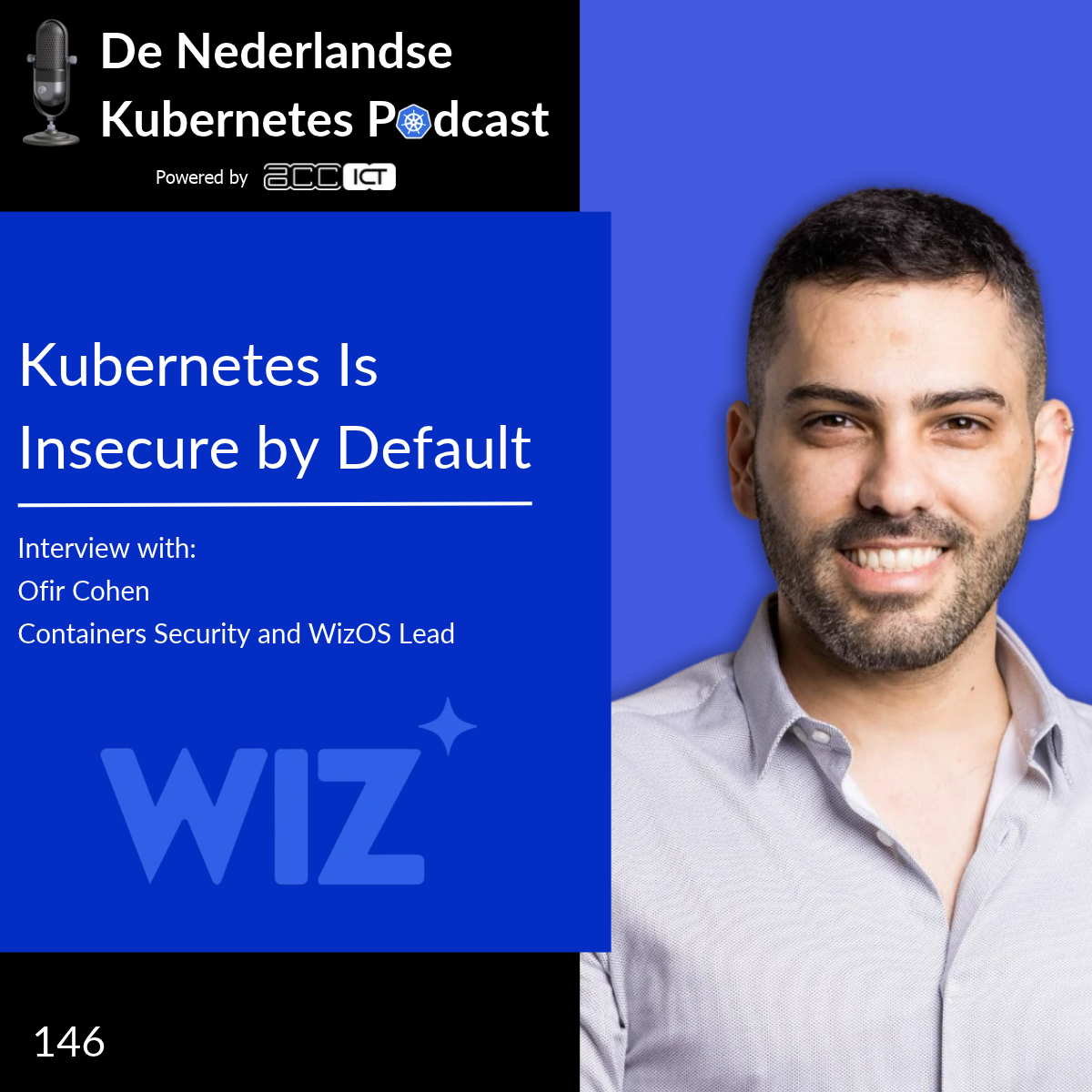
Aflevering 146: Kubernetes Is Insecure by Default
Why scanning through cloud APIs beat installing agents on every machine, and how the Log4j incident became the “aha moment” for the industry.
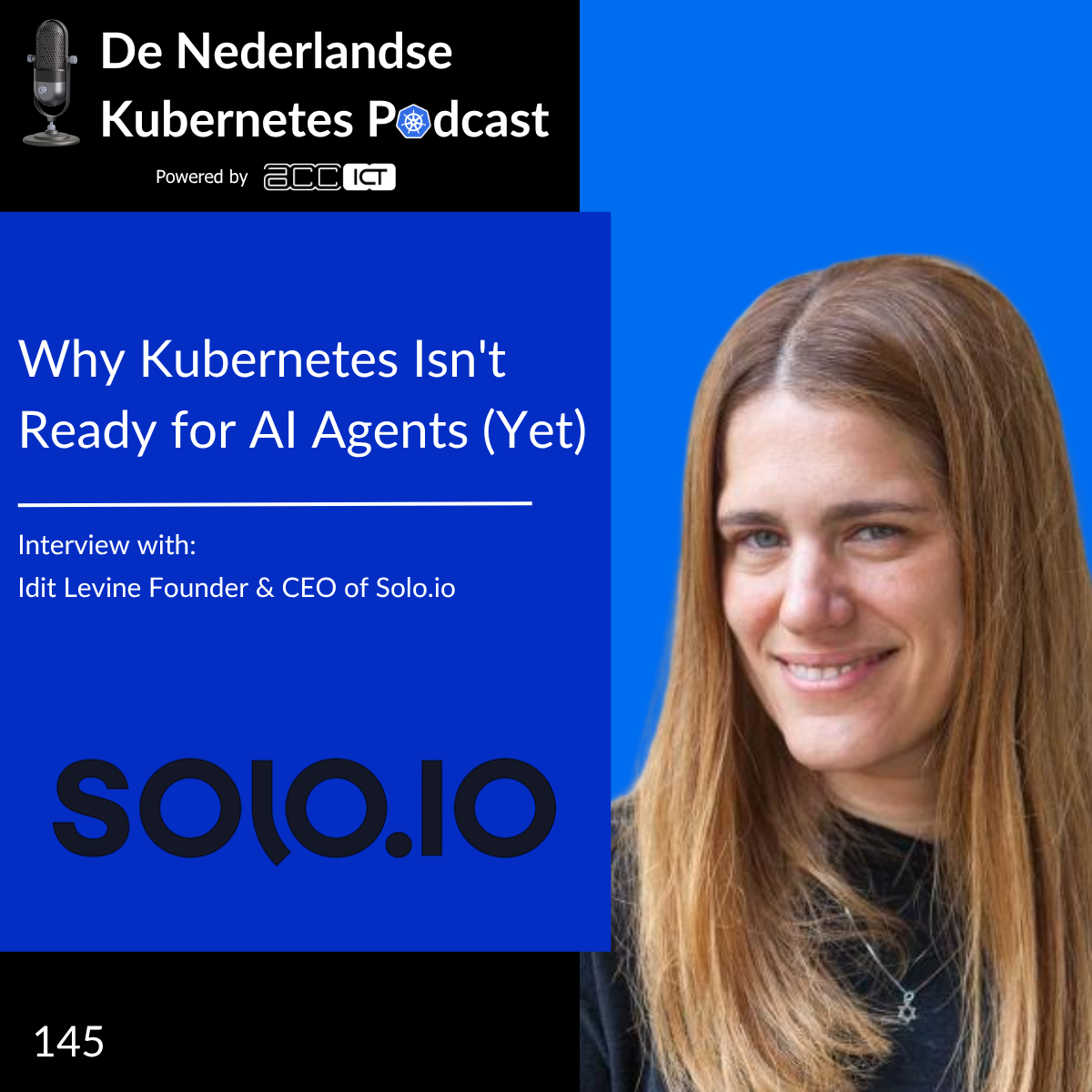
Aflevering 145 Why Kubernetes Isn't Ready for AI Agents (Yet)
Why agents are stateful workloads that don't fit the classic Kubernetes model, why Solo.io built and donated kagent to the CNCF, and what that means for platform engineers.
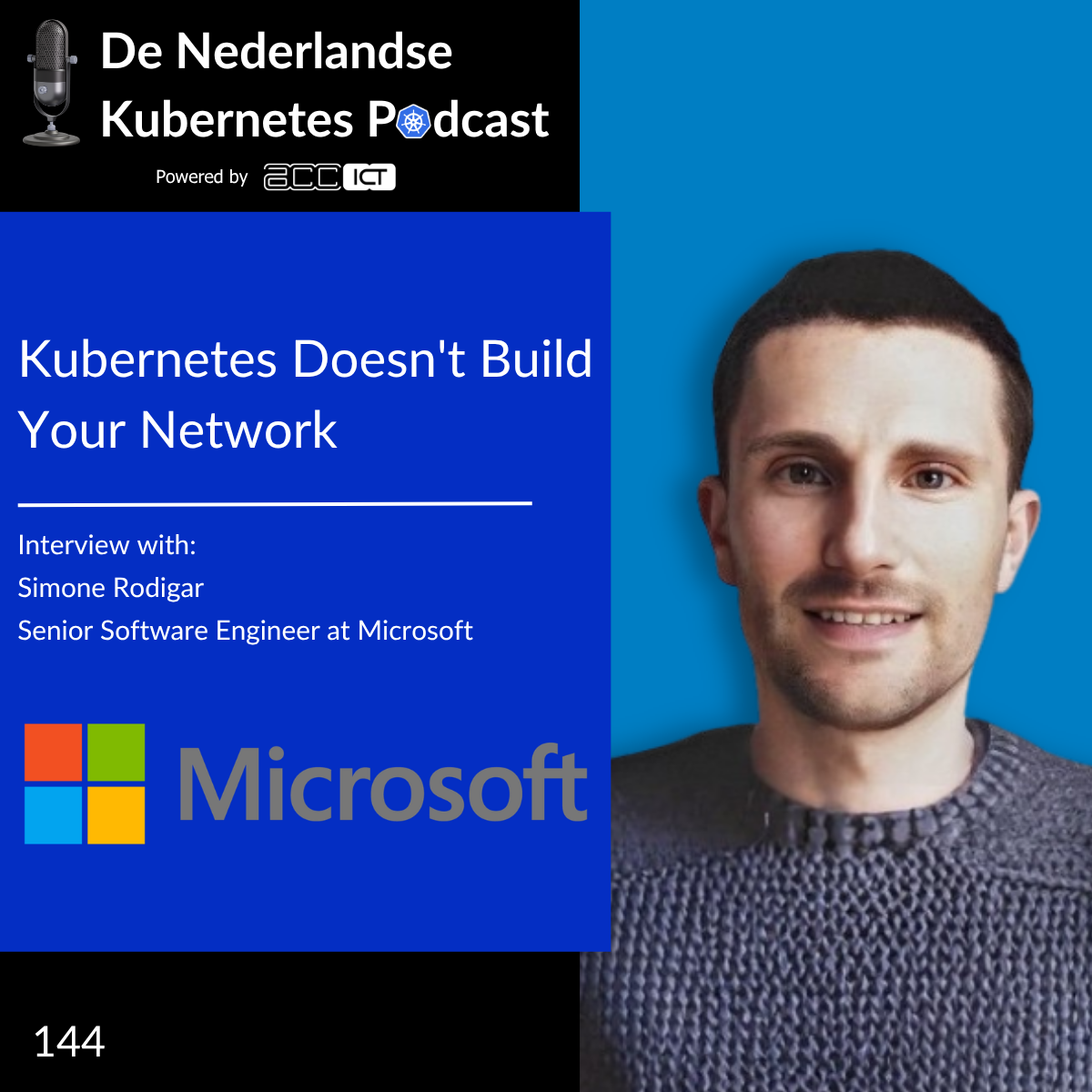
Aflevering 144: Kubernetes Doesn't Build Your Network
We start at the ground rules: every pod gets an IP, every pod can reach every other pod. That's the expectation Kubernetes sets, but Kubernetes doesn't implement it, the CNI does
.png)
Aflevering 143: Kubernetes bij de AIVD: achter de poortjes
Bij de AIVD kom je niet zomaar binnen. In deze aflevering van De Nederlandse Kubernetes Podcast spreken Ronald Kers en Jan Stomphorst met Wouter en Nick, die bij de AIVD in het platformteam werken.
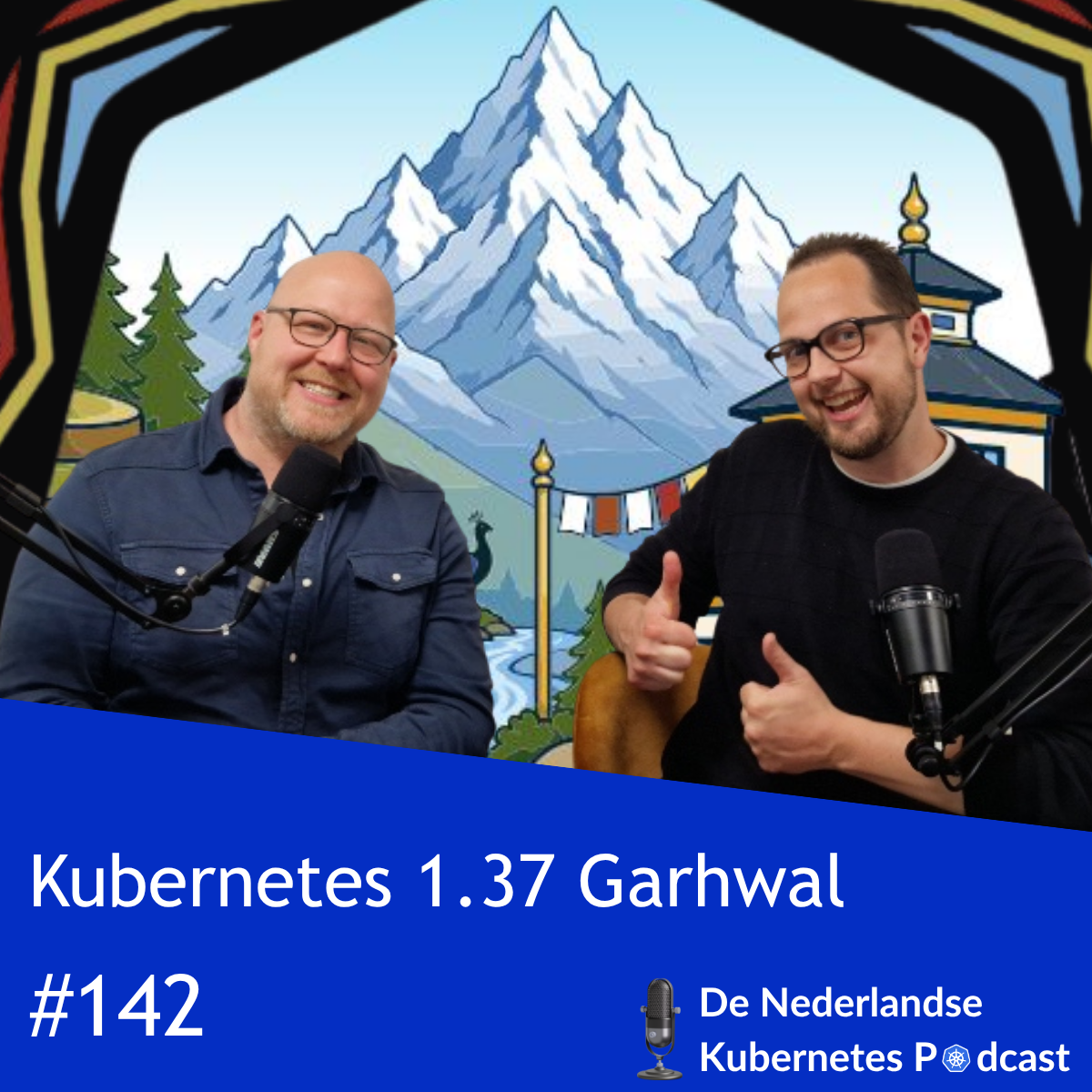
Aflevering 142: Kubernetes 1.37 Garhwal
Jan constateert dat Kubernetes al een tijd steeds stabieler wordt en dat breaking changes zeldzamer worden. Goed nieuws, al maakt het de zoektocht naar een spannend verhaal voor een release-aflevering er niet makkelijker op. Deze keer valt er genoeg uit te diepen.
.png)
Aflevering 141: Helm 4 - Plugins, OCI and Why Nothing Broke
Helm 4 is a story about restraint. Helm has become load bearing for an enormous number of enterprises, and a strict versioning policy left technical debt with nowhere to go. Helm 4 clears that debt without breaking anyone.
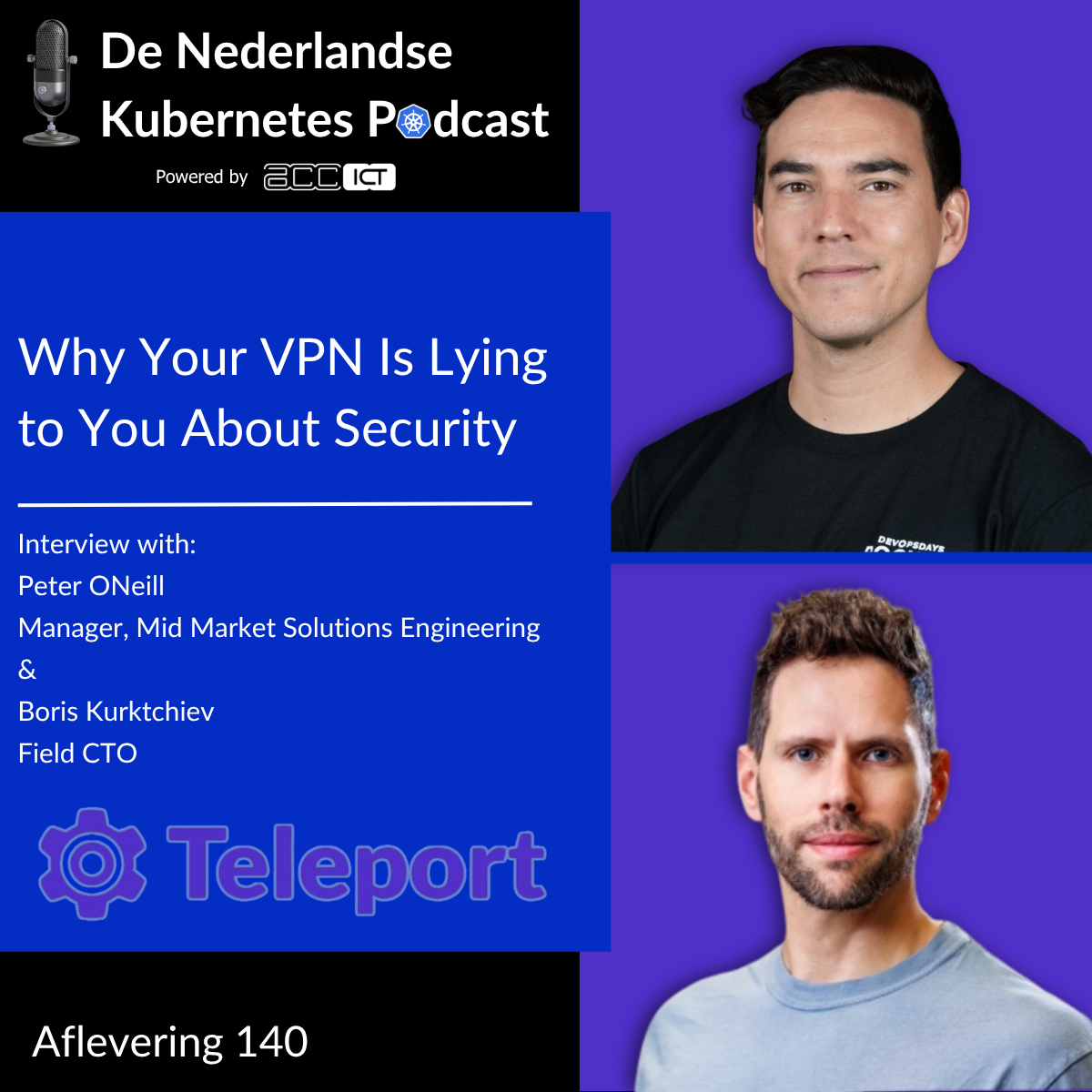
Aflevering 140: Why Your VPN Is Lying to You About Security
Traditional VPNs grant broad network access once a user authenticates, creating large lateral movement risk with little to no granular control or auditing. Instead of trusting users based on network location, every connection is signed and validated against intent, who is accessing what, and why.

Aflevering 139: Waarom een Kubernetes-cluster zichzelf niet moet beheren
Kubernetes-platformen worden uitgerold en beheerd over virtualisatielagen, bare metal en de cloud heen. Eric heeft een lange geschiedenis die teruggaat tot de vroege vCenter-tijd, via de opkomst van container orchestration (Mesos, Docker Swarm)

Aflevering 138: We Built Our Own Wormhole to Migrate 150 Kubernetes Clusters
In their KubeCon talk "No Shame in Just Paying," they shared how they tackled this consolidation project: migrating all workloads to three standardized, fully managed Kubernetes distributions.


.png)
.png)




.png)







Featured Guests —
Lorem ipsum dolor sit amet, consectetur adipiscing elit. Nisi tempus quam lacus euismod fringilla. Amet, nunc elementum turpis sapien cras sodales massa viverra.


Kyle Stephens
Lorem ipsum dolor sit amet, consectetur adipiscing elititel Ut.

Tracey Goodman
Lorem ipsum dolor sit amet, consectetur adipiscing elititel Ut.

Diane Swanson
Lorem ipsum dolor sit amet, consectetur adipiscing elititel Ut.

Clifford Stewart
Lorem ipsum dolor sit amet, consectetur adipiscing elititel Ut.